
The ocean covers more than 70% of our planet and is one of the most important ecosystems on Earth. It is home to an incredible diversity of life, ranging from microscopic organisms to the largest animals ever known to exist. Marine life plays a crucial role in maintaining the balance of nature, supporting food chains, regulating the climate, and producing much of the oxygen we breathe. Despite its importance, the ocean is often overlooked and increasingly threatened by human activities. Understanding marine life is the first step toward protecting it and ensuring a sustainable future for our planet.
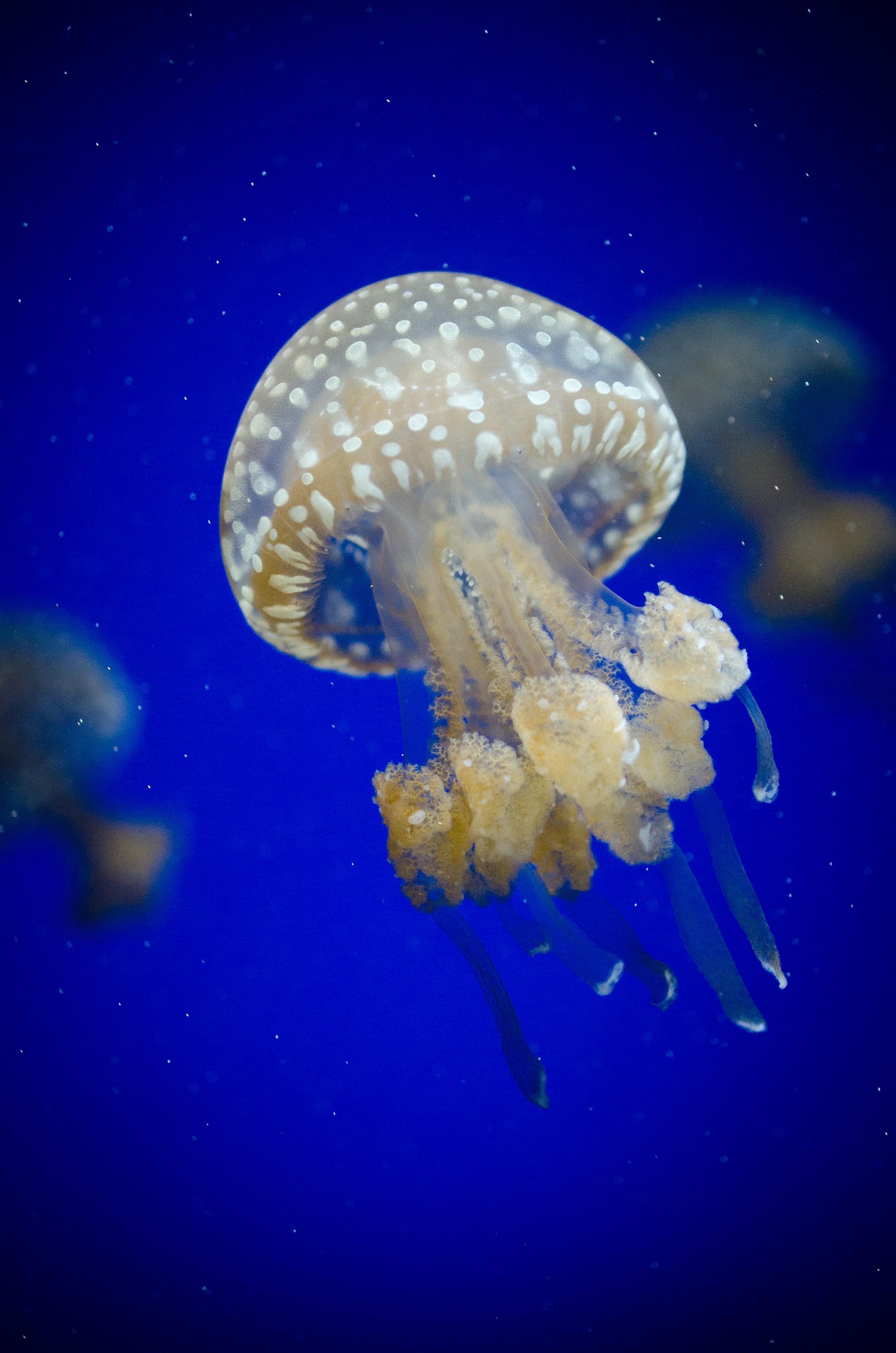
Marine life includes all living organisms that exist in saltwater environments such as oceans, seas, and coral reefs. These organisms vary greatly in size, shape, and function, from tiny plankton drifting in the water to large predators like sharks and whales. Marine ecosystems are highly interconnected, meaning that every species depends on others in some way. This delicate balance allows life in the ocean to thrive, but it can also be easily disrupted by environmental changes.
Marine life is essential not only for the health of the oceans but also for life on land. The ocean helps regulate global temperatures, absorbs carbon dioxide, and produces a large portion of the oxygen in the atmosphere. In addition, billions of people rely on marine resources for food, jobs, and economic stability. Protecting marine life is not just about saving animals—it is about preserving the systems that support all life on Earth.
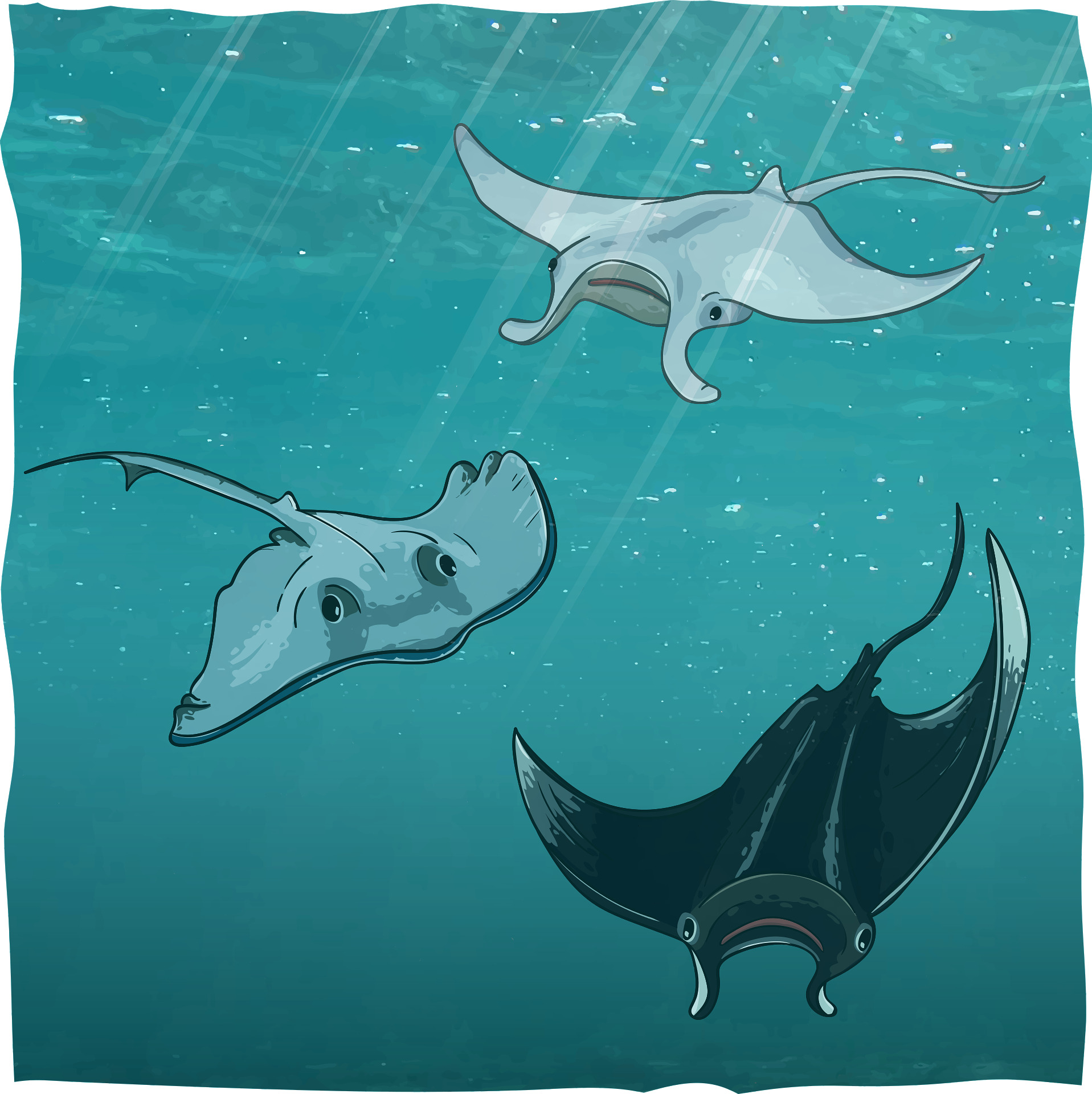
Quick facts and curiosities about the Sea and the Marine Life
- Oceans cover over 70% of Earth’s surface
- Marine plants produce more than 50% of global oxygen
- Some whales can “sing” to each other over hundreds of kilometers
- More than 80% of the ocean remains unexplored
- The deepest part of the ocean is the Mariana Trench, reaching about 11,000 meters
- Some marine animals, like octopuses, are highly intelligent and can solve problems
- Coral reefs are among the most diverse ecosystems on Earth
- The blue whale is the largest animal ever known to have lived on Earth
- Oceans absorb about 30% of the carbon dioxide produced by humans
- Some fish can change their color or shape to camouflage and avoid predators
- The ocean contains about 97% of all the water on Earth
- There are over 3,000 known species of sharks, rays, and chimaeras
- Some jellyfish are biologically immortal and can revert their life cycle
- Most ocean species are still undiscovered or not yet classified
- The ocean likely contained life long before dinosaurs ever existed
- The largest coral reef system in the world is the Great Barrier Reef, visible from space