
Climate Regulation
Oceans play a crucial role in regulating the Earth's climate by absorbing and storing large amounts of heat from the sun. Through ocean currents, this heat is distributed across the globe, helping to maintain stable temperatures and prevent extreme weather conditions. Without the oceans, many regions would experience much harsher climates, making life more difficult for both humans and wildlife. In addition, oceans absorb significant amounts of carbon dioxide from the atmosphere, helping to slow down the effects of climate change.
Oxygen Production
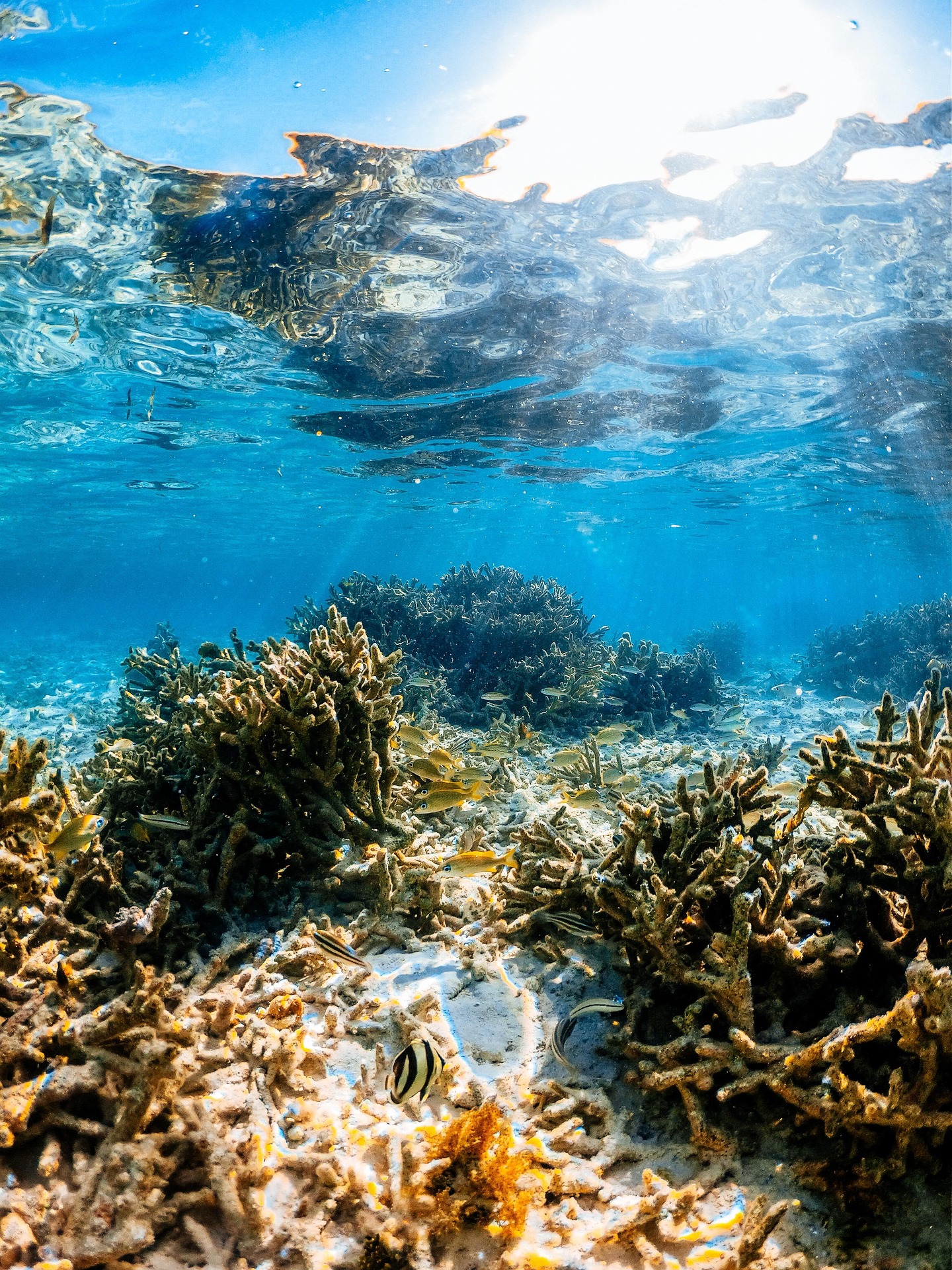
A large portion of the oxygen we breathe is produced by marine plants, especially microscopic organisms known as phytoplankton. These tiny organisms perform photosynthesis, just like plants on land, using sunlight to convert carbon dioxide into oxygen. Despite their small size, phytoplankton are responsible for producing more than half of the world's oxygen. This makes the health of the oceans directly connected to the quality of the air we breathe and the survival of life on Earth.
Food Source
The ocean is one of the most important sources of food for billions of people around the world. Fish and other seafood provide essential nutrients, including protein, vitamins, and minerals that are vital for human health. In many coastal communities, fishing is not only a source of food but also a way of life and cultural identity. Maintaining healthy fish populations and sustainable fishing practices is essential to ensure that future generations continue to benefit from these resources.
Economic Importance
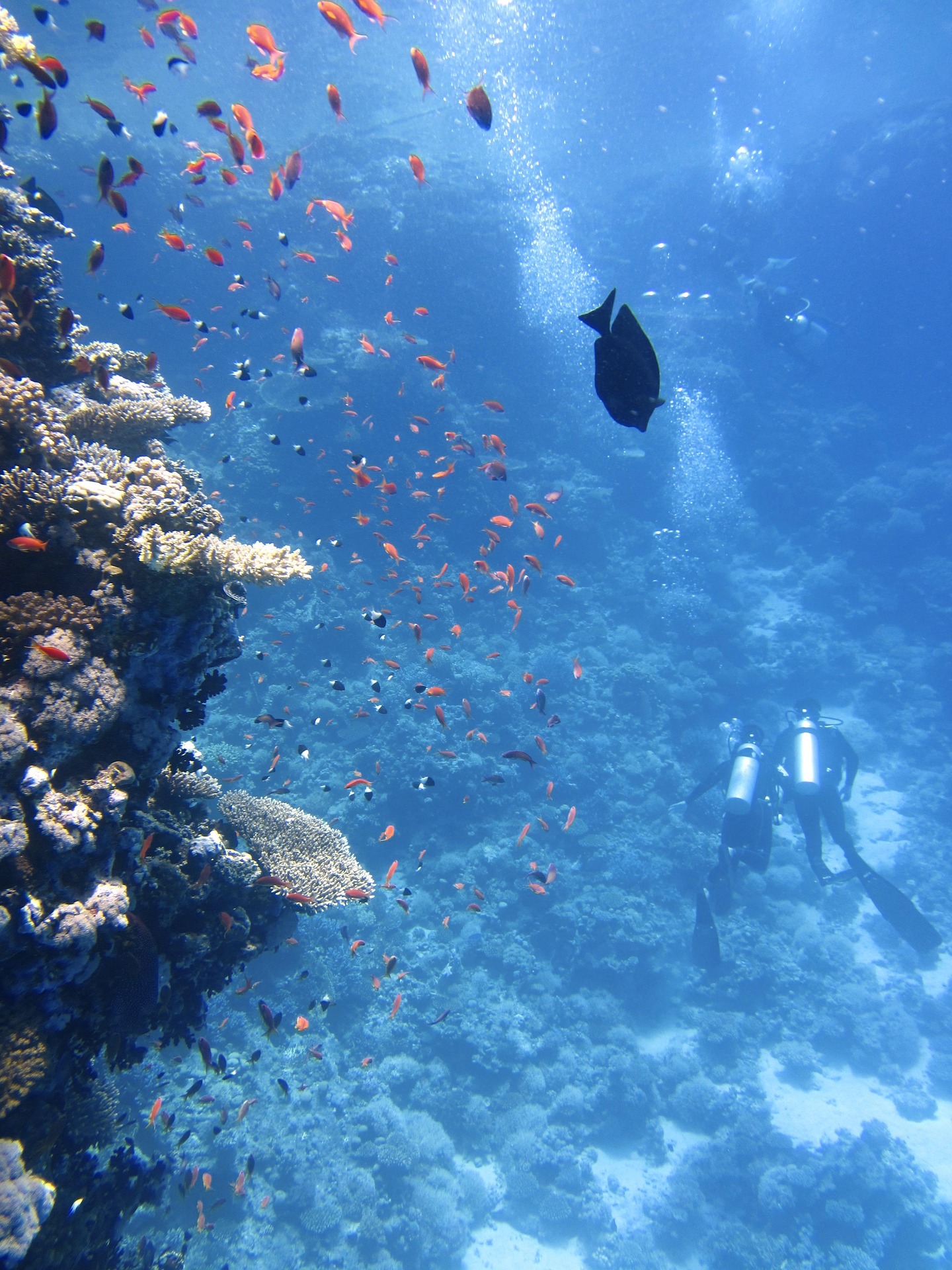
Oceans play a vital role in the global economy, supporting a wide range of industries that provide jobs, resources, and services for millions of people around the world. Activities such as fishing, tourism, shipping, and marine energy are directly connected to the ocean and contribute significantly to economic development in many countries. Coastal regions, in particular, depend heavily on these industries for income and growth.
The fishing industry is one of the most important economic activities linked to the ocean, supplying food and supporting livelihoods for communities worldwide. At the same time, tourism attracts millions of visitors each year to beaches, coral reefs, and marine environments, generating revenue and creating employment opportunities. In addition, global trade relies on oceans as major transportation routes, with a large percentage of goods being transported by sea.
Oceans also support emerging sectors such as renewable energy, including offshore wind and tidal power, which are becoming increasingly important in the transition to more sustainable energy sources. These developments highlight the ocean’s role not only in traditional industries but also in shaping the future of global economies.
Overall, the economic importance of the oceans extends far beyond a single sector. They provide opportunities, sustain livelihoods, and connect markets across the world, making them an essential part of both local and global economic systems.
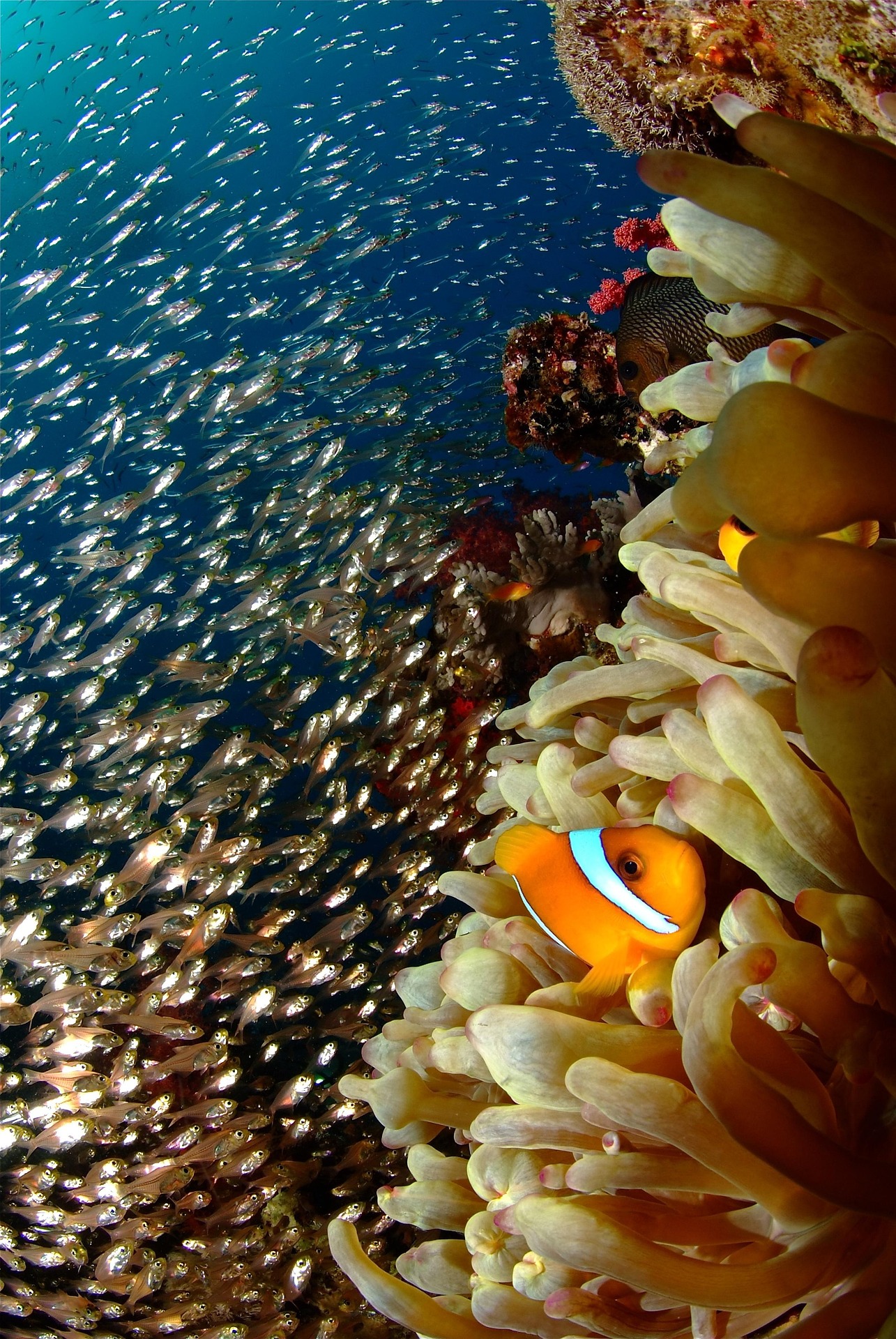
Oceans are fundamental to life on Earth, supporting a wide range of ecosystems and providing essential resources that humans depend on every day. They play a vital role in maintaining the balance of natural systems, influencing climate, producing oxygen, and sustaining biodiversity on a global scale. Through complex interactions between organisms and their environments, oceans help create the conditions necessary for life to exist and thrive.
Beyond their environmental functions, oceans are deeply connected to human life. They provide food, support economic activities, and serve as pathways that connect different regions of the world. Many societies rely on the ocean not only for resources but also as part of their cultural identity and daily life. This strong connection highlights how essential oceans are to both natural and human systems.
Understanding why oceans matter allows us to recognize their true value. They are not just vast bodies of water, but dynamic and interconnected systems that support life in countless ways. Their importance extends far beyond what we can see, making them one of the most critical components of our planet.